Follow the Data: Auditing the Wiring Behind Your Martech Stack
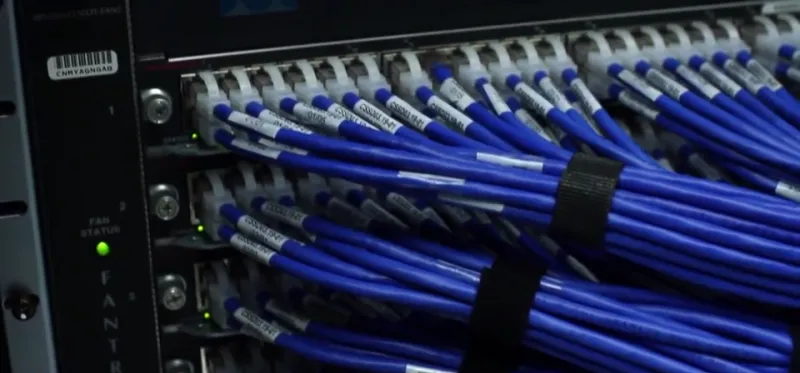
Photo: HenryNewman12, CC BY-SA 4.0, via Wikimedia Commons
Every martech stack looks convincing from a distance. Logos in a neat grid, a slide that says 'our tech ecosystem', a line in the board pack about digital transformation. Then a form stops routing leads on a Friday afternoon and nobody notices until the following Wednesday — because the person who built that flow left in March, and the automation lives inside a tool marketing pays for but nobody logs into.
That gap is what this piece is about. Not the tools themselves, but the wiring between them: the data flows that quietly decide whether your stack earns its keep or just keeps the invoices coming.
The line item that never appears on the invoice
Ask most UK marketing leads what they spend on martech and they'll quote licence fees. Ask what they spend on the integrations holding it together and you'll get a blank look. Yet the integration layer is where the actual cost sits — in contractor days, in re-work, in leads that evaporate, in the two weeks someone spends rebuilding a Zapier flow because a free-tier task limit was hit during your busiest trading week.
Nobody budgets for wiring, so nobody maintains it. That's the whole problem in one sentence.
Start with five zones, not forty tools
You don't need a full CMDB. You need to know which systems touch a customer record and in what order. Group everything you pay for into five zones:
- CRM and lifecycle messaging — where a lead becomes a contact becomes a customer. HubSpot, Pipedrive, Dynamics, Klaviyo, whatever you're running.
- CMS, commerce and forms — the front door. WordPress, Shopify, a headless build, plus the form handler nobody remembers configuring.
- Analytics and attribution — GA4, server-side tagging, a Looker Studio dashboard the board has started trusting.
- Consent and preference — your CMP, the cookie banner, the preference centre buried in account settings.
- Billing, fulfilment and support — Stripe, GoCardless, Xero, the helpdesk, the warehouse system that emails a CSV at midnight.
Five zones means five conversations. That's doable in a fortnight. Forty tools is a project nobody starts.
Trace one record, end to end
The method that works is embarrassingly simple: pick a single lead and follow it.
Create a test enquiry using a clearly labelled email address. Time-stamp the form submission. Then walk it forward — form handler, CRM contact, lifecycle email, ad platform conversion event, analytics session, consent state at the moment of submission. Then walk it backwards from the CRM to see what source data arrived and what got dropped on the way.
You will find at least one hop that nobody can explain. That hop is your finding.
Document each connection in a shared sheet. Eight columns is plenty:
- Source system
- Destination system
- Trigger or schedule
- Method (native integration, middleware, script, human)
- Data fields touched
- Named owner
- Last verified date
- What breaks if this stops
That last column is the one that gets budget approved.
Four failure patterns worth naming out loud
Once you've mapped a dozen flows, patterns emerge. These four account for most of the damage we see.
The single point of failure. A critical flow runs through one person's login, one free-tier automation tool, or one API key that expires with a departing employee's account. Fix: move ownership to a shared service account and document the credentials in your password manager, not in a Slack DM from 2024.
The orphaned flow. Built by an agency, inherited by nobody. It still runs, so nobody touches it, and it's pushing stale field mappings into your CRM. Fix: if you can't name the owner, it goes on a 30-day review list. No exceptions.
The double write. Two systems both believe they own the same field — usually lifecycle stage or lead source — and they overwrite each other on alternate days. Fix: pick one system of record per field and make everything else read-only.
The consent blind spot. Data lands in an ad platform before the consent state is checked, or a preference centre updates one system but not the other four. In the UK this isn't just messy, it's a regulatory exposure under UK GDPR. Fix: trace the consent flag through every flow, not just the banner.
One name per wire
Ownership is the whole game. Not a department, not 'the team', not 'the agency'. A person. One name against each connection in your sheet, with a quarterly fifteen-minute check where they confirm the flow still works and still needs to exist.
Fifteen minutes per wire per quarter is nothing. It's also the difference between finding a broken flow in a day versus finding it in a quarter.
Put a toll booth in front of the next tool request
New tool requests arrive weekly, usually wrapped in a good story about a feature someone saw in a webinar. Rather than arguing about the feature, ask three questions:
- Which existing tool does this replace, and when does that one get switched off?
- Who owns the new connections it needs, by name?
- What's the wiring cost — in days, not licence fees — to get it live?
Add a wiring line to every business case. If a request can't survive those three questions, it wasn't a strategy, it was a shopping list.
What good looks like
A healthy stack isn't the one with the most logos. It's the one where you can draw the data flow on a single page, name an owner for every line, and say with confidence what happens to a lead from first click to closed deal.
If you can't do that today, you don't have an integration problem. You have an ownership problem — and that one's fixable in a fortnight.